When managing projects, many teams face the dilemma of choosing between Asana vs Airtable. Both tools have distinct advantages, but if you’re looking for a powerful, flexible, and scalable solution that goes beyond simple task management, Airtable stands out.
Why Airtable Wins in the Asana vs Airtable Debate
Asana is popular for straightforward project management, helping teams organize tasks, deadlines, and collaboration with ease. It’s ideal for simple projects that follow standard management practices. However, when projects involve complex data relationships, diverse information types, and require strategic insights beyond tasks, Airtable’s flexibility makes it the better choice.
Customizable Flexibility to Fit Your Team’s Needs
Unlike Asana, which primarily focuses on task lists in a fixed structure, Airtable provides a fully customizable platform. Your projects aren’t limited to tasks or Kanban boards—you can connect work with customers, budgets, products, KPIs, and other critical business data.
For instance, managing a product launch involving suppliers, marketing campaigns, and customer feedback is easier in Airtable. Its relational databases unify all elements for a strategic, real-time overview. Asana doesn’t offer this integrated context natively.
Beyond Tasks: Airtable Powers Strategic Operations
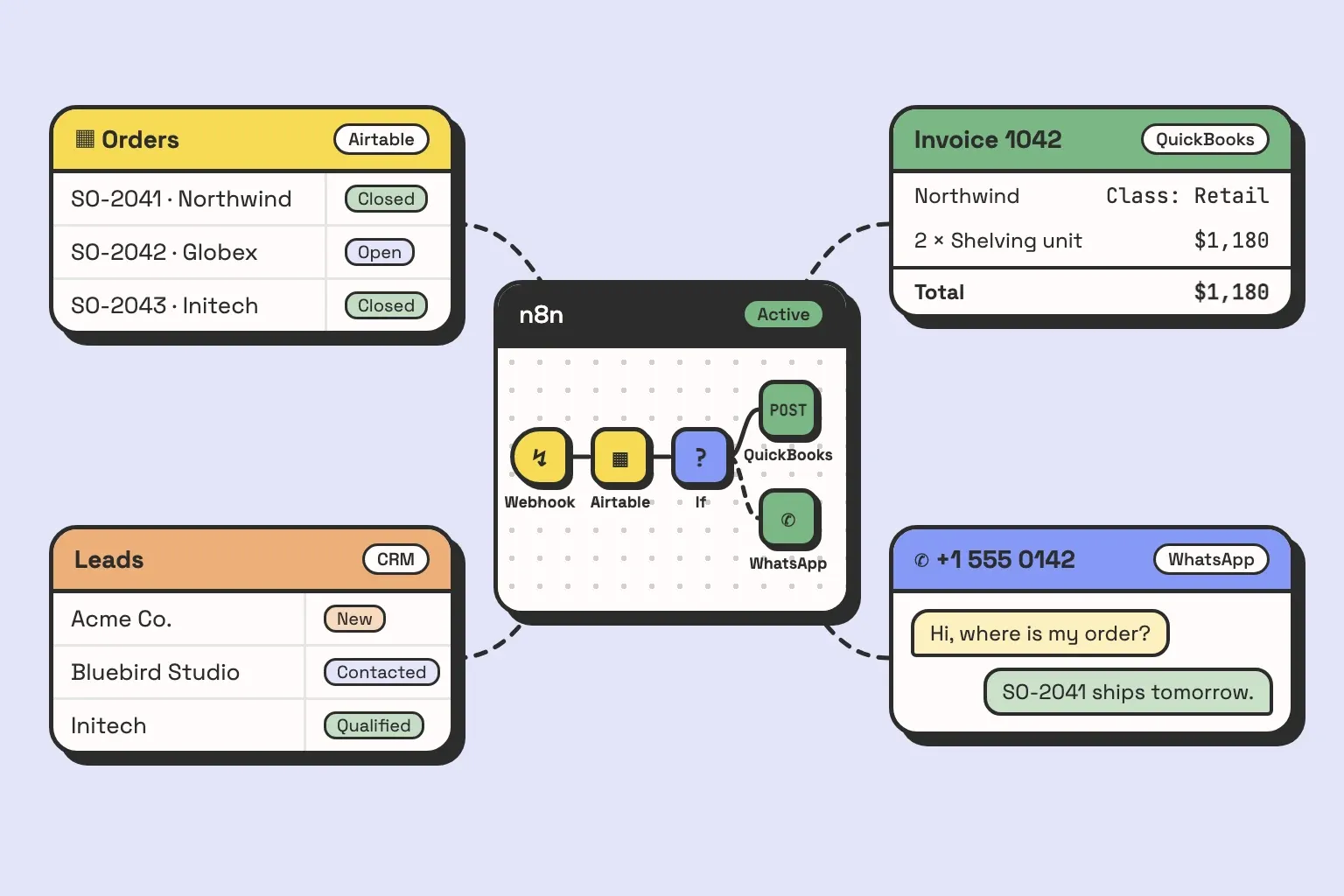
Airtable goes beyond just tracking assignments and deadlines. It facilitates context-rich decision-making by turning business data into insights. Automated workflows in Airtable integrate smoothly with tools like Slack, Gmail, and custom APIs, enabling your team to work smarter.
To get started, check out this detailed external guide on how to use Airtable step-by-step.
Seamless Integration: Use Airtable Alongside Asana
Switching completely from Asana can feel daunting, specially if your team is already used to it. Luckily, Airtable can be integrated well with Asana, allowing you to use Airtable as your main data source while maintaining Asana’s task interface. This prevents duplicate effort and fragmented information. More details are available in this Asana-Airtable integration guide.
User-Friendly Design Without Compromise
Both Airtable and Asana offer intuitive tools. However, Airtable’s modular design avoids a rigid, one-size-fits-all approach. You can tailor views, fields, and interfaces to fit your unique workflows, reducing frustration and improving team alignment.
Final Thoughts on Asana vs Airtable
If your needs are simple task management, Asana may suffice. But for a platform that scales with your business, handles complexity, and connects your work with strategic goals, Airtable stands out. It offers a powerful, flexible, and scalable tool to transform project management into a data-driven operation.
Ready to explore Airtable’s full potential? Discover more about Airtable’s benefits and why it’s a game-changer and start enhancing your team’s productivity today.
Also, learn how Airtable’s custom automations can further boost efficiency. Happy managing! 🚀