If you manage multiple projects or teams, you probably use tools like Asana and Airtable. Asana stands out for task and project management, while Airtable combines spreadsheets and databases to organize information flexibly. The Asana Airtable integration lets you harness the strengths of both platforms in one seamless workflow.
In this article, we’ll explain how this integration enhances productivity. Plus, you’ll learn how automation tools like Zapier, Make, and n8n simplify connecting Asana and Airtable—even without coding skills.
Why You Should Use Asana Airtable Integration for Project Management
Asana helps teams track tasks, deadlines, and collaboration easily. Airtable offers customizable databases for workflows like inventory management, content calendars, or client tracking. While both tools are powerful on their own, using them separately can cause duplication and confusion.
With the Asana Airtable integration, you can:
- Keep all your tasks organized in one place. Updates in Airtable automatically reflect in Asana.
- Avoid manual data entry and duplicates. Sync tasks between platforms effortlessly.
- Customize your workflows. Leverage Airtable’s database features alongside Asana’s project management tools.
- Enhance team communication and alignment. Everyone stays updated, regardless of their preferred tool.
This integration streamlines managing projects and boosts team efficiency significantly.
How to Set Up Asana Airtable Integration Easily
You don’t need programming skills to connect Asana and Airtable. No-code and low-code automation platforms like Zapier, Make (formerly Integromat), and n8n let you set up integrations quickly.
1. Zapier: Simple Automation to Connect Asana and Airtable
Zapier creates “Zaps” that perform actions when triggers happen. For example, adding a new task in Asana can automatically create a corresponding record in Airtable.
It offers many ready-to-use templates and allows customization without code, making it ideal for beginners.
2. Make (Integromat): Advanced Workflow Automation
Make provides a visual builder for complex multi-step scenarios syncing Asana and Airtable data.
Use it to automatically update task statuses or synchronize detailed information between Airtable bases and Asana projects.
Make suits users looking for more granular control and customization.
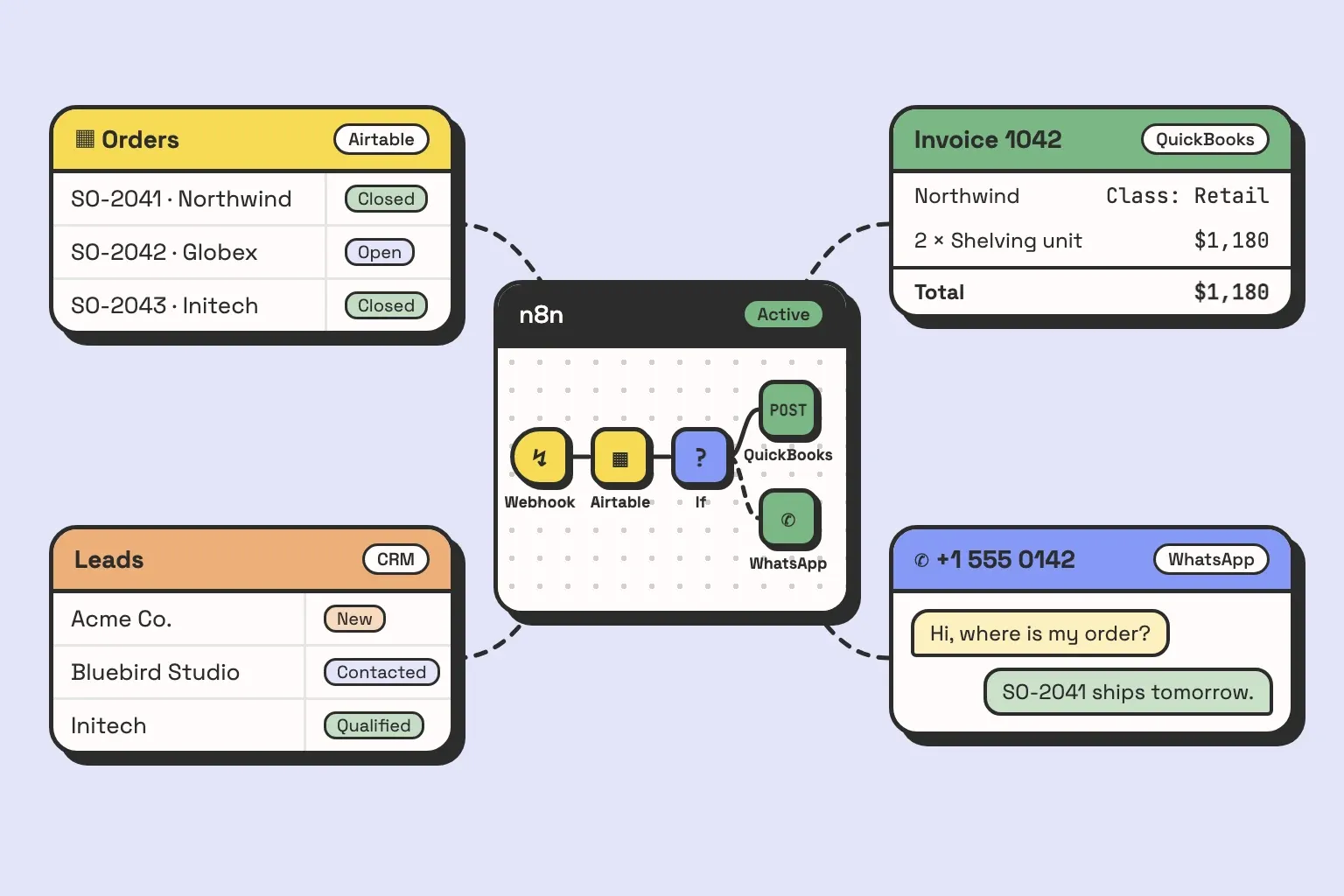
3. n8n: Open-Source Automation for Full Control
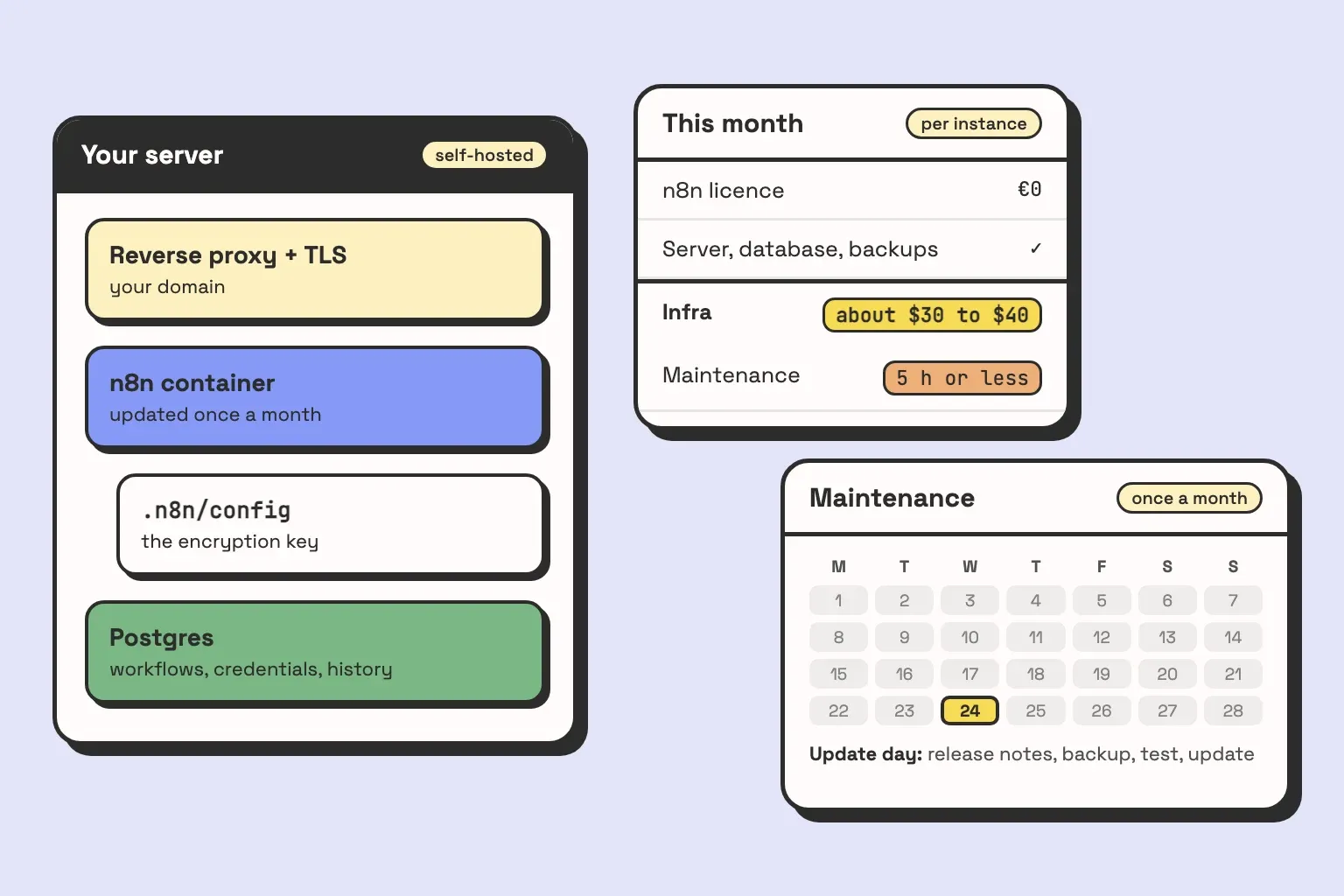
For those wanting self-hosted solutions, n8n offers open-source workflow automation.
You can design custom processes that pull data from Airtable, send it to Asana, and manage tasks within one environment.
This is perfect for teams requiring flexibility and full ownership of their integrations.
Centralize Your Workflow with Asana Airtable Integration
By automating updates between Asana and Airtable, your team can reduce manual work, minimize errors, and save time. Tasks and records stay synchronized automatically, so no detail slips through the cracks.
To explore no-code automation tools in depth and how they fit into your toolkit, check out this comprehensive guide on low-code automation.
Why Airtable Is Ideal for Integration with Project Management Tools
Airtable goes beyond being a simple database. It works as a CRM, project tracker, content planner, and more—a flexible hub for your data.
Curious about Airtable’s plans? We’ve detailed Airtable pricing plans to help find the best fit.
Learn how Airtable’s automations can further enhance your workflow productivity here: Airtable automations boost workflow productivity.
Final Thoughts on Asana Airtable Integration
The Asana Airtable integration transforms how teams manage projects by keeping tasks synchronized and centralized without extra effort.
Thanks to tools like Zapier, Make, and n8n, connecting these powerful platforms is easy—even without coding knowledge.
Ready to improve your project management? Try integrating Asana and Airtable today and experience a smarter, more efficient workflow!
Want more tips on productivity software? Visit the posts on Automatic Nation’s blog.