If you haven’t tried Airtable Automations yet, you are missing out on a powerful way to boost productivity. Whether you run a business, work at a startup, or manage a team, Airtable Automations can revolutionize how you handle tasks. In this post, you will learn what Airtable Automations are, why they matter, and how to start using them to save time, reduce errors, and improve efficiency.
What Are Airtable Automations and How Do They Work?
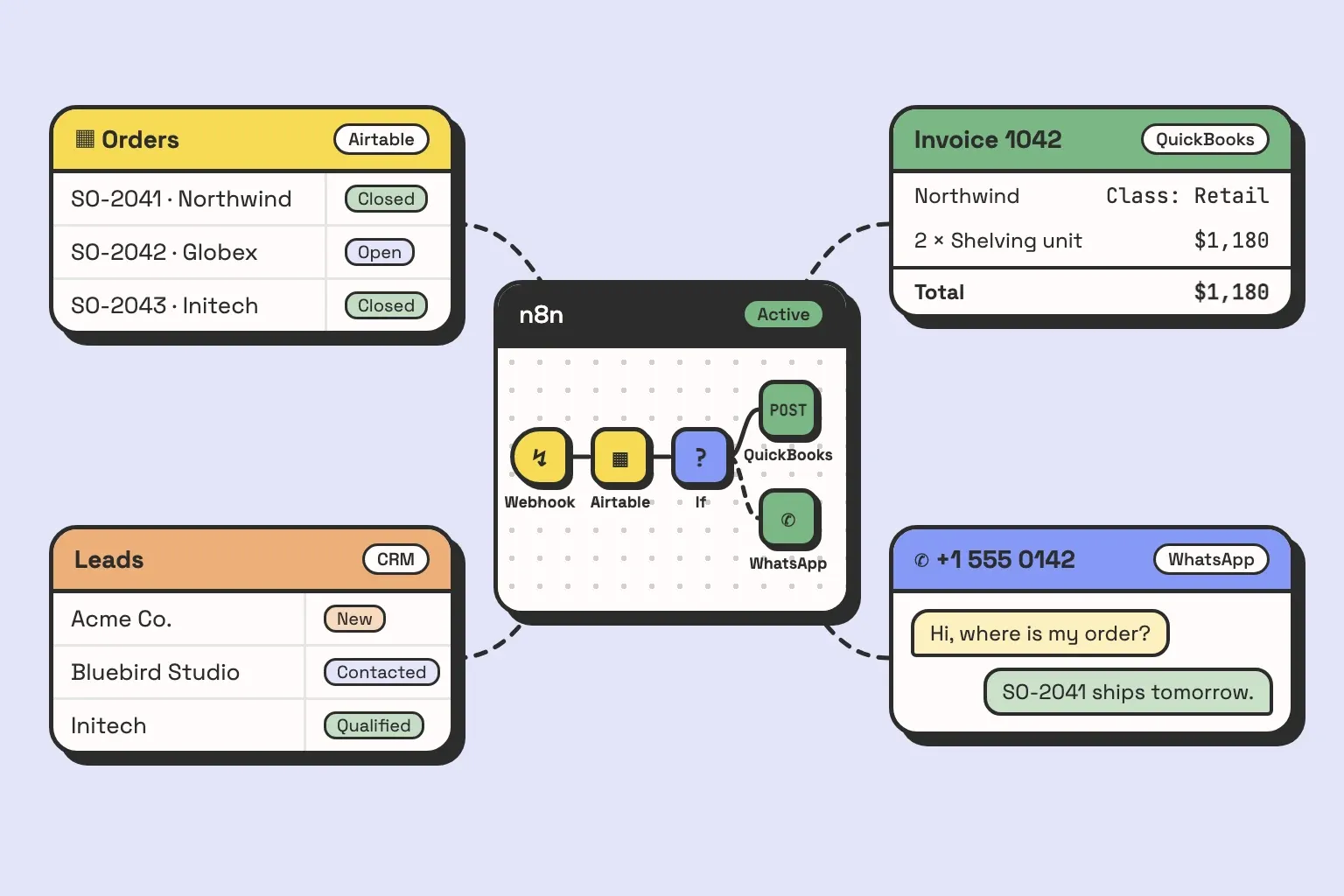
Airtable Automations enable you to create automatic workflows within your bases. Instead of performing repetitive tasks manually, you set up “triggers” and “actions.” When a trigger occurs—like adding a new record or reaching a specific date—Airtable executes one or more actions automatically, such as sending emails, updating fields, notifying team members, or integrating with other apps.
By using Airtable Automations, you can focus on tasks that need your attention while minimizing errors and streamlining teamwork.
Benefits of Using Airtable Automations in Your Workflow
There are several compelling reasons to use Airtable Automations:
- Save Time and Avoid Mistakes
Automations run tasks consistently, eliminating manual errors common in data entry. - Enhance Team Collaboration
Instant notifications keep your team informed and aligned on important updates. - Simplify Complex Processes
Manage projects, sales pipelines, and more without writing any code. - Integrate with Other Tools
Airtable connects seamlessly with tools like Outlook, Gmail, and Slack, allowing smooth workflows across your apps.
These benefits help teams work smarter and more effectively.
Common Airtable Automation Use Cases
Here are popular ways to apply Airtable Automations:
- Automatically sending welcome emails when new customer records are added
- Assigning incoming tasks to team members
- Updating inventory based on sales or shipments
- Generating and distributing weekly reports automatically
- Scheduling deadline reminders via Slack or email
Such automations cut down manual work and help maintain smooth operations.
Step-by-Step Guide to Setting Up Airtable Automations
Getting started with Airtable Automations is straightforward. Follow these steps:
- Open the Automations tab within your base.
- Select a trigger, such as “When record created,” “When record matches conditions,” or at a scheduled time.
- Choose an action like “Send email,” “Update record,” or “Run script.”
- Test the automation to ensure it runs correctly.
- Enable the automation and let it work automatically.
Begin with simple automations and gradually build more complex workflows as you gain confidence.
Expert Tips
To make the most of Airtable Automations, consider these tips:
- Start with one trigger and one action before creating multi-step automations
- Use conditional logic for smarter, more tailored workflows
- Leverage repeating groups for creating loops on your automations
- Explore scripting to extend automation capabilities
- Combine automations with Airtable views and filters to trigger only under specific conditions
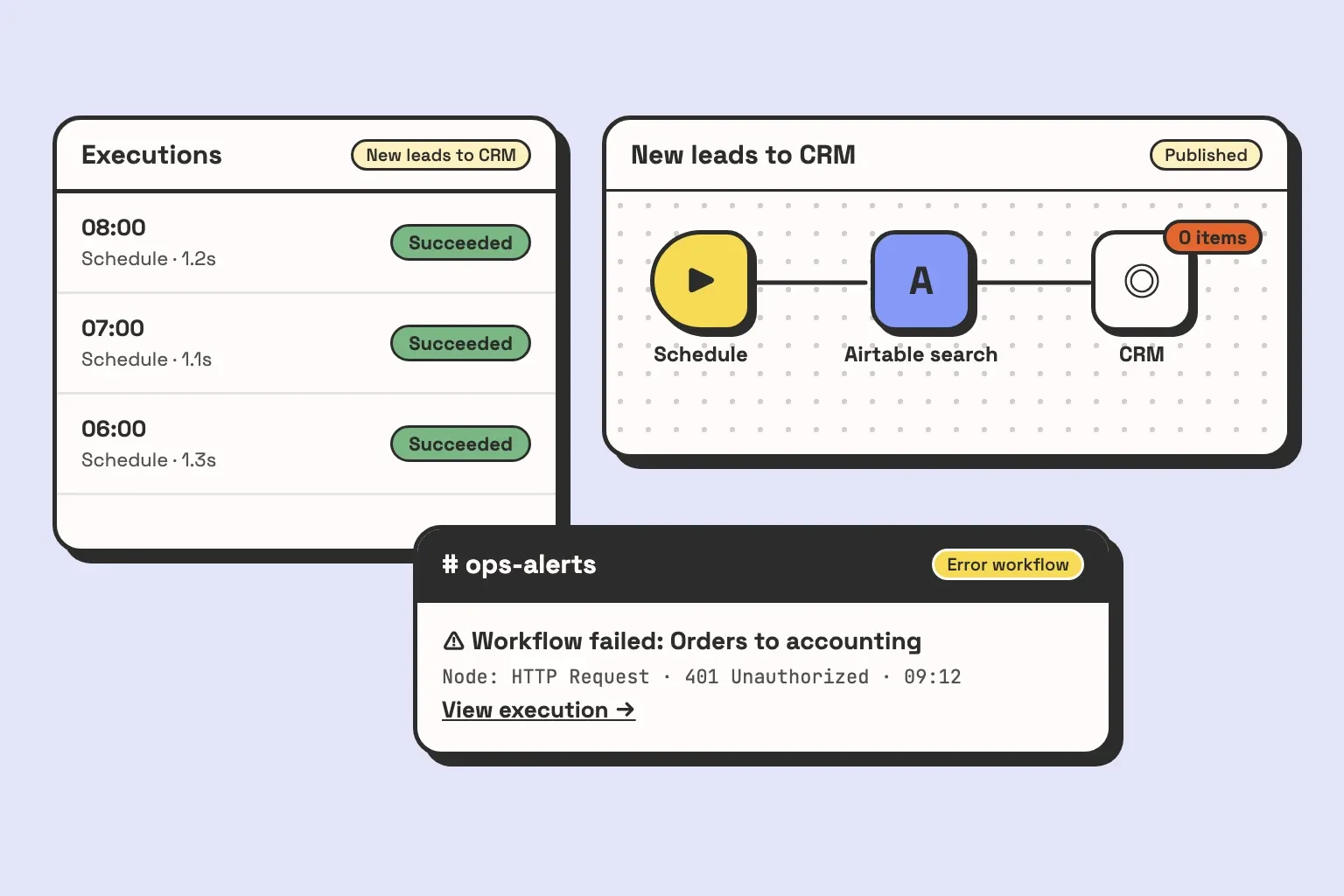
- Monitor automation runs regularly to catch and fix issues early
Adopting these practices ensures your automations are reliable and efficient.
The NoCode Movement and Airtable Automations
Airtable’s popularity stems in part from its NoCode approach. You don’t need programming skills to build powerful automations, making workflow automation accessible to everyone.
Additionally, Airtable supports integration with platforms like Zapier, Make, and n8n (you can read more on these automation tools here), enabling you to create complex, multi-app workflows without writing code.
Conclusion: Boost Your Productivity with Airtable Automations
Using Airtable Automations is like having a personal assistant integrated within your database. It handles repetitive tasks, keeps your team updated, and streamlines your workflows. Start exploring Airtable Automations today, and you’ll soon see improvements in productivity and collaboration.
Want to dive deeper? Check out our Airtable tutorial series for more tips and tricks.
Have creative Airtable Automation setups? Share your ideas in the comments to help the community grow!
Ready to enhance your workflow? Hire an Airtable Expert and start building smarter processes today!